How Protein Timing for Weight Loss Changes With Age
Protein timing for weight loss simply means eating protein at set times through the day, like breakfast around 8:00 AM, lunch around 1:00 PM, and dinner around 8:00 PM, with about 25 to 40 g…
Protein timing for weight loss simply means eating protein at set times through the day, like breakfast around 8:00 AM, lunch around 1:00 PM, and dinner around 8:00 PM, with about 25 to 40 g…
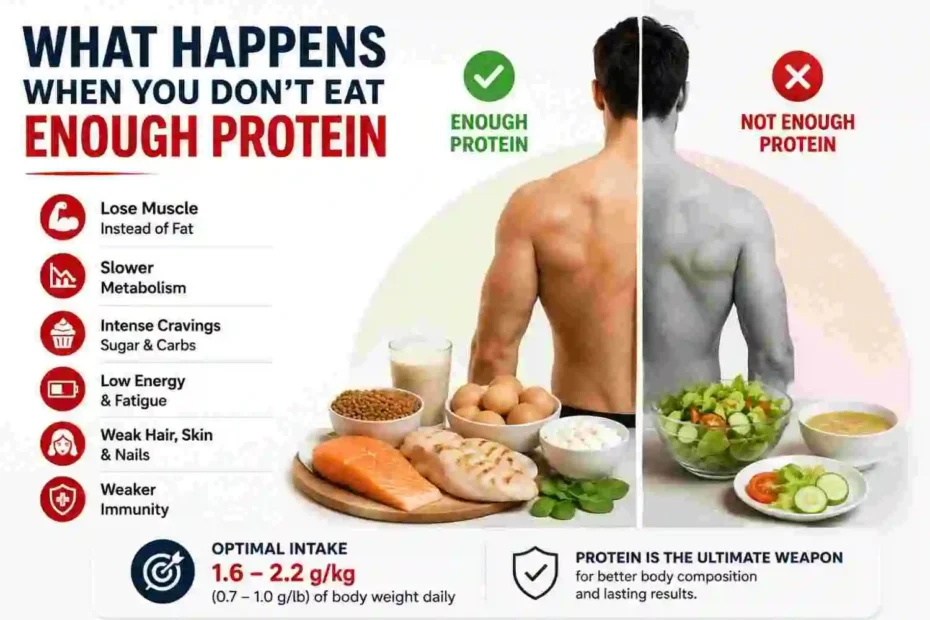
Not eating enough protein forces your body to break down its own muscle for fuel, slowing your basal metabolic rate and triggering intense hunger signals. Many people cutting calories accidentally cut this essential macronutrient. This…
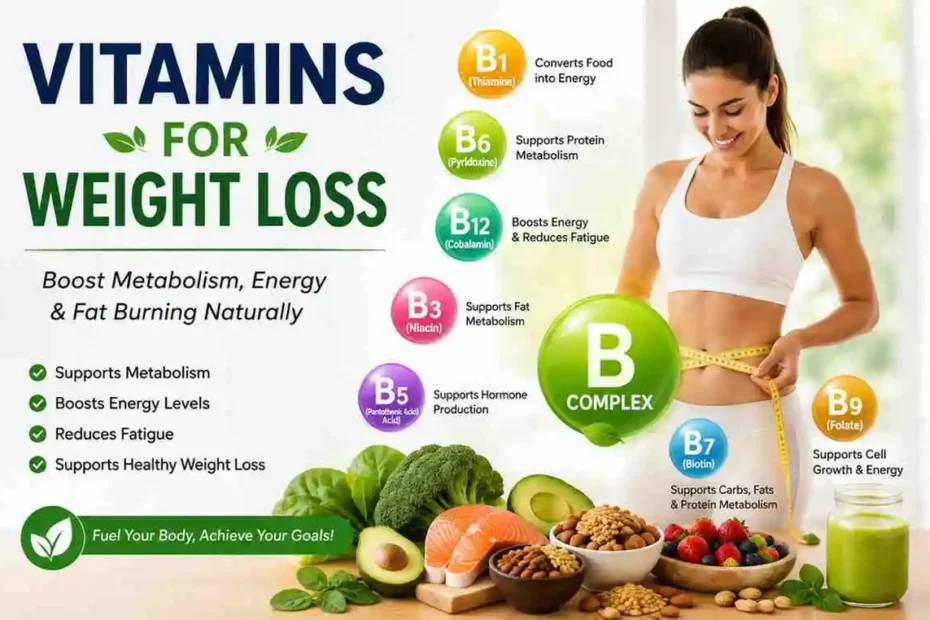
The role of B vitamins for weight loss is linked to how your body turns food into energy. These vitamins help your cells convert carbohydrates, fats, and proteins into usable fuel instead of letting excess…
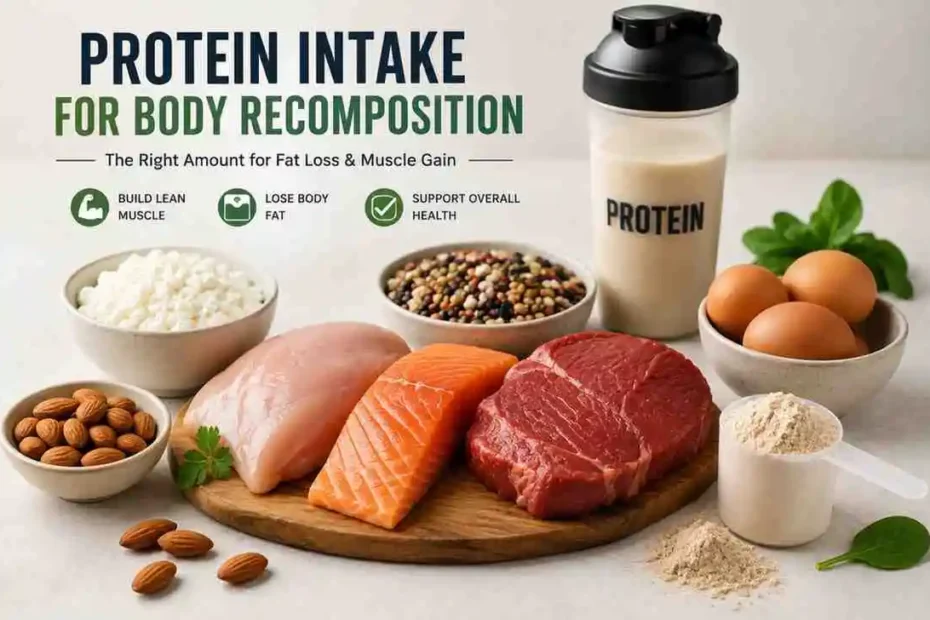
Protein Intake for Body Recomposition is typically recommended at 1.6–2.2 g per kilogram (0.73–1.0 g per pound) of body weight per day. This intake helps support muscle growth while losing body fat during body recomposition.(Source:…
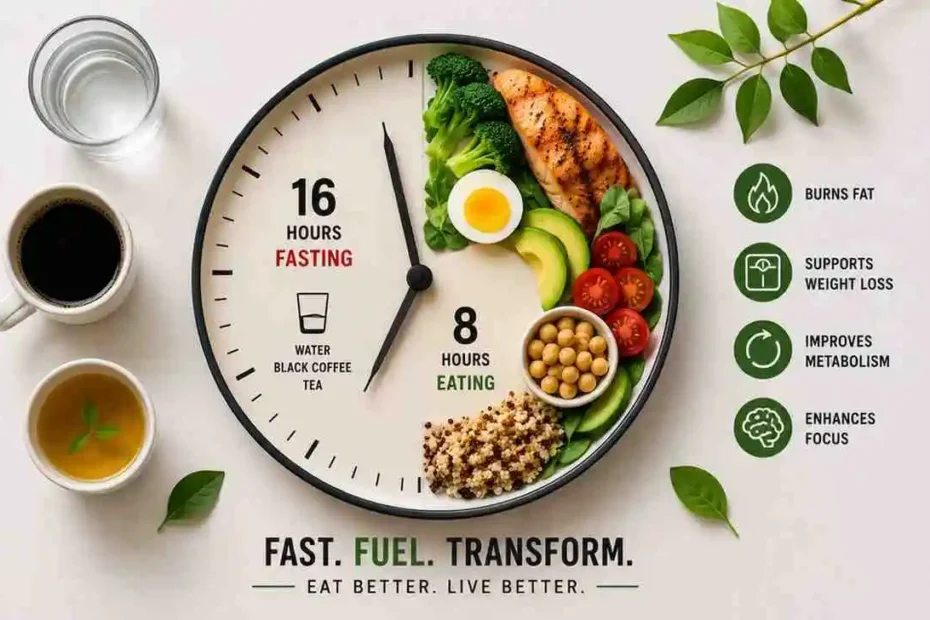
Key Takeaways The best way to do intermittent fasting to lose weight is to start with the 16:8 method because it’s simple and easy to maintain. Drink water, black coffee, or unsweetened tea during your…

You want to shed extra pounds, but your body does not respond the way it used to. Finding a reliable path to weight loss over 50 can feel tough, yet you can totally reach your…
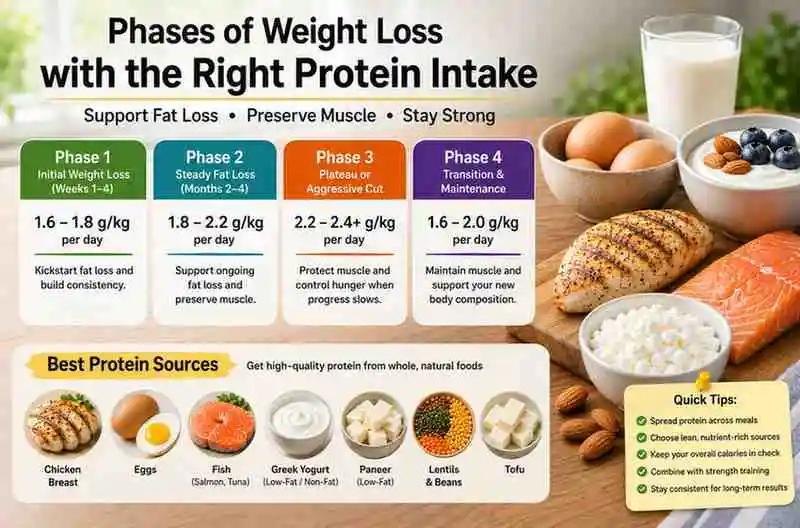
Protein needs can change as you move through the phases of weight loss. For most people trying to lose weight, 1.6–2.2 grams of protein per kilogram of body weight (0.73–1.0 g per pound) per day…

Yes, you can eat your Daily Protein in One Meal, and your body can still digest and absorb the protein. It does not simply waste the extra protein because you eat a large amount at…

Yes, a bodyweight exercise routine for weight loss can help you lose weight by creating a calorie deficit while building lean muscle. Exercises like squats, push-ups, lunges, and burpees work multiple muscle groups at the…

Protein synthesis and weight loss are closely connected. When you eat fewer calories to lose weight, your body still needs to build, repair, and maintain muscle. This process is called Muscle Protein Synthesis (MPS). If…